The Best Books I Read in 2025
I had a lot more reading time than I expected in 2025. As a result, I got a lot more reading done than I expected!
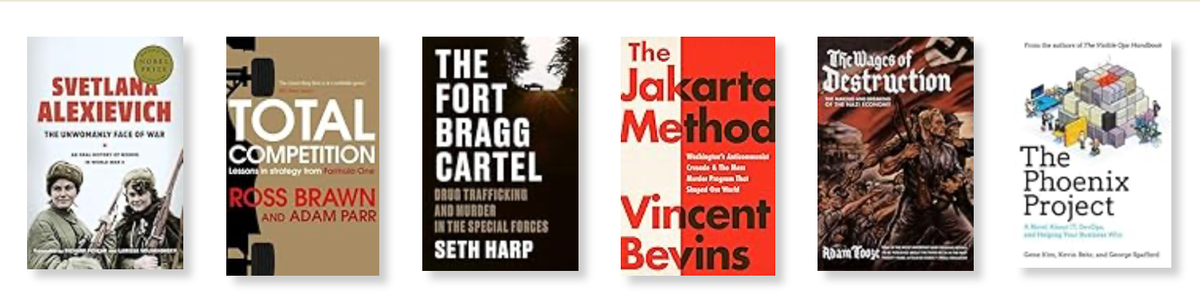
I had a lot more reading time than I expected in 2025. As a result, I got a lot more reading done than I expected! I’ve started a habit of alternating between one work of fiction and one work of non-fiction, which is pushing me to read more non-fiction than I would have otherwise. Not coincidentally, though I read a ton of extremely good fiction in 2025, all but one of the best books I read last year are non-fiction. I really think that as readers we should be pushing ourselves to try harder and more diverse works, to expand and challenge our perspective. And if you typically find yourself only reading fiction (understandable) try the one on/one off approach.
There’s a common theme to the best books I read last year: institutions and systems. I’ve always been drawn to the idea that what we believe is wise, moral, or even possible is shaped by the design of the institutions or groups in which we work. I find the malleability of institutions very hopeful — if we can change the system under which we work, then we can change what’s possible in our lives. Wages of Destruction, Total Competition, and The Phoenix Project were all primarily about how human beings can shape our organizations, our companies, and our nations to achieve our goals. In Wages, of course, it’s for evil. In Phoenix Project, it’s for good. The Jakarta Method and The Fort Bragg Cartel on the other hand, are about the ramifications of those institutions, specifically the institutions that shape US foreign policy. The dark side of institutional malleability, of course, is that they can be shaped to enable only violent and evil ends. Fort Bragg Cartel is the story of the institution of Delta Force, which is the epicenter of US military victimization and, perhaps strangely, victimhood too. Jakarta Method is a larger scale story, about how US foreign policy created correspondent institutions abroad as a dark mirror of ourselves, the hands and feet of our worst impulses.
Lastly, but not least, is The Unwomanly Face of War. This powerful work is simply human stories of women and girls, told in their own voices, fighting in one of the most consequential institutions the world has ever known: the Red Army during The Great Patriotic War (WWII). It explores what it means to serve ideals higher than any institution: freedom, self-determination, and personal identity.
Last thing I'll say is that these are the best books to me. I don't think they're necessarily the best books for you. Phoenix Project for example will likely bounce off a lot of people, but I loved it.
If you want to keep up with what I'm reading this year, you can follow me on Goodreads here. For the full list of books I read in 2025, you can view them all conveniently here.
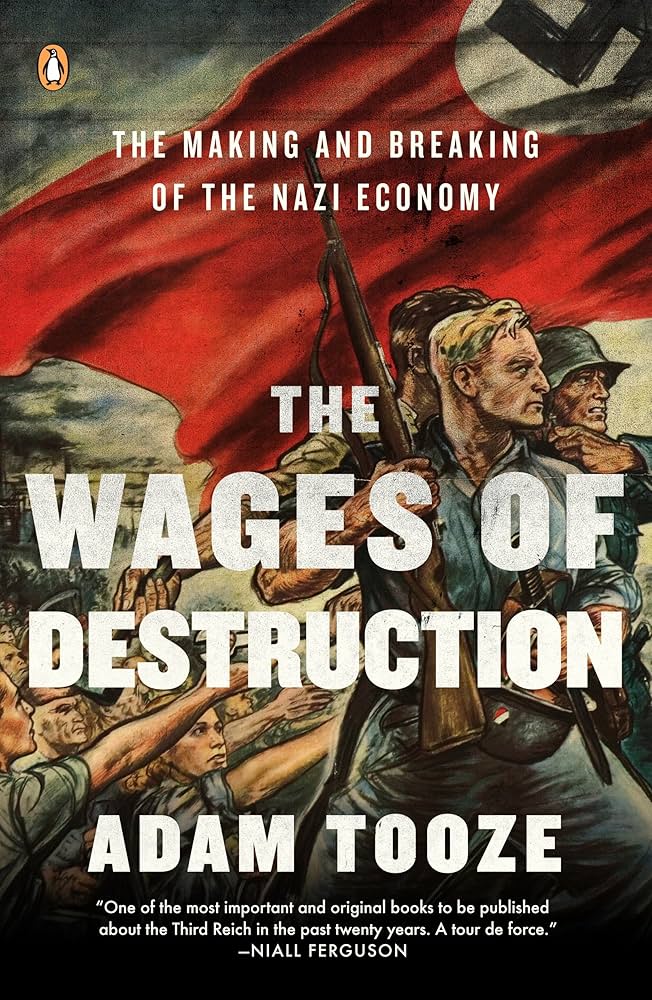
The Wages of Destruction
Adam Tooze's masterpiece on the economy of Nazi Germany is an incredible achievement, one I could hardly put down. To me, the best non-fiction not only entertains the reader, it awakens curiosity about the real world, almost like fiction can. In Wages of Destruction, Tooze does both. I left the book with so many answers to questions I didn't know I had, yet also a newfound curiosity about macroeconomics, the war on the Eastern Front, and what it takes to feed our society.
As for the content itself: the research Tooze presents and the argument he makes destroys many myths of WWII Germany, and in its own way deepens the tragedy. I was surprised to see western narratives about "blitzkreig" and the "economic miracle" so thoroughly debunked, and I learned about the sickening holomdomor which was scarcely taught in my history curriculum. Perhaps worst of all I glimpsed myself, and all Americans, through the narratives used by Hitler and his men to justify murder on an industrial scale.
Not everyone will have the stamina for ~1000 pages of economic history, but if you think you can handle it, you simply must give it a try. One of my favorite books of all time.
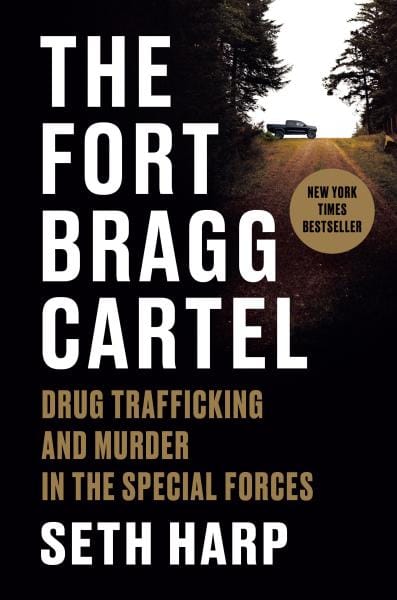
The Fort Bragg Cartel
Seth Harp's well-researched expose on the mind-boggling criminal enterprise at the center of the American war machine reads like true crime, because it is. The Fort Bragg Cartel is the story of real criminals, as of yet unpunished. I was stunned at Harp's ability to make me feel deeply sorry for some of the world's most brutal killers — indeed I came away with the sense that many of the "American Heroes" of the Special Forces community are, in some ways, victims of American Empire just like the people they kill. For these soldiers, life on Earth prefigures Hell. Their sole purpose is to demonize and terrorize thousands of people, and many innocent bystanders, while enduring torture and disgrace themselves at home and abroad.
Harp also proudly centers the stories of women throughout. Too often in works about the military, women are reduced to stock characters of mothers missing sons, or nurses tending to brutal wounds. But in The Fort Bragg Cartel, all of the women interviewed are three-dimensional. They are real women who in many cases are torn between patriotism, and hatred of the institutions that brutalize their loved ones. The story of many of the subjects is told by mothers, wives, and girlfriends who felt they had lost good men in the gears of empire.
The story of Billy Lavigne told here is a perfect example of the Imperial Boomerang — as below, so above. Once you read this book, you can see the straight line between American foreign policy and domestic policy. There is nothing that occurs in the periphery which does not find its way to the core. We would do well to remember that.
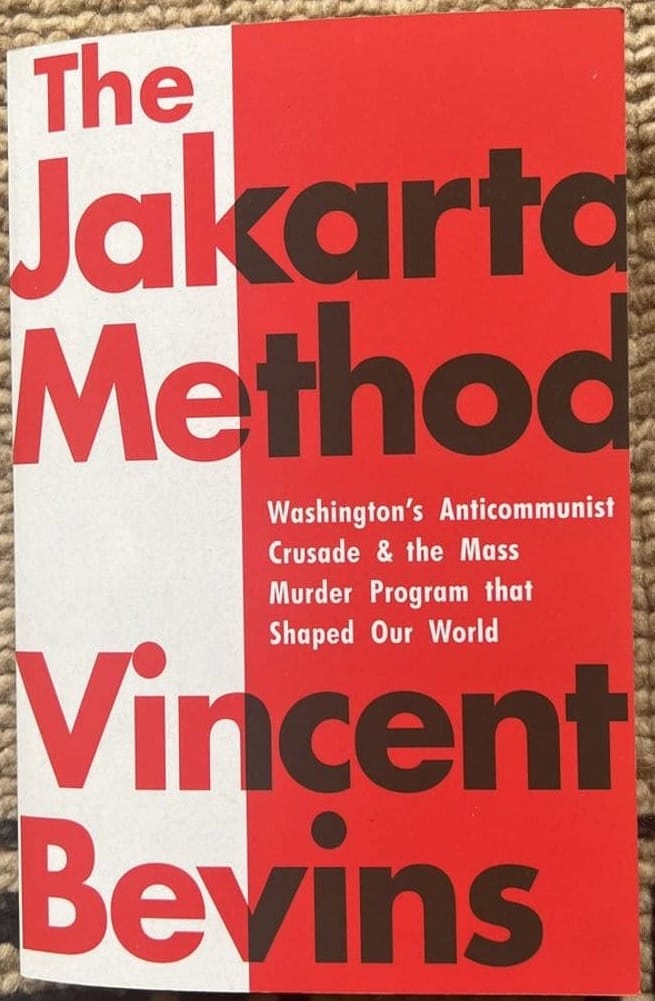
The Jakarta Method
As a long-time listener of TrueAnon, Blowback, and other left-wing shows, I felt I knew much of what there was to know about CIA malfeasance in the 20th century. But Vincent Bevins shows that even what we know in the west isn’t the whole story. His on-the-ground reporting on survivors of the death squads in Indonesia is sadly a prequel to the insanity of the GWOT killings outlined in The Fort Bragg Cartel. It goes to show how much of the world's story hides behind language barriers for us average Americans, intentionally or otherwise.
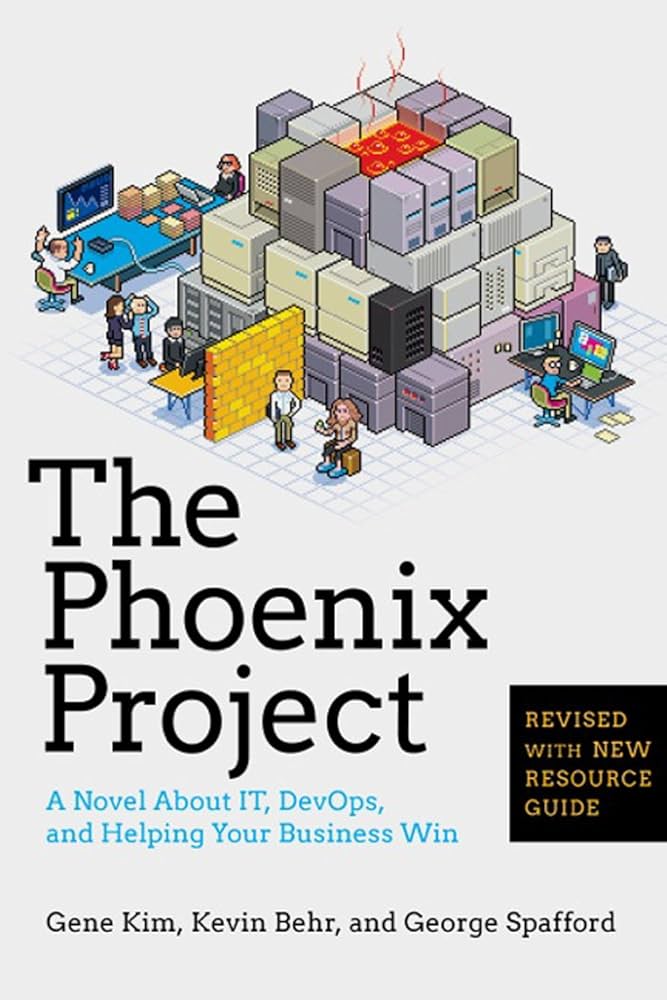
The Phoenix Project
A business parable, this book is probably not of interest to most people, and certainly not to most people outside of tech. Yet for me, as a management consultant, this felt like a hot shower after a long day. It explains well the kinds of emotional transformations that are possible when people set out to improve not just the work they're doing, but how they themselves do it. It's not amazingly well written, and it's certainly overly optimistic about how these things play out in the real world. But the lessons it teaches are real and valuable. If you work in tech, you owe it to yourself to read this, you just have to suspend your disbelief a little.
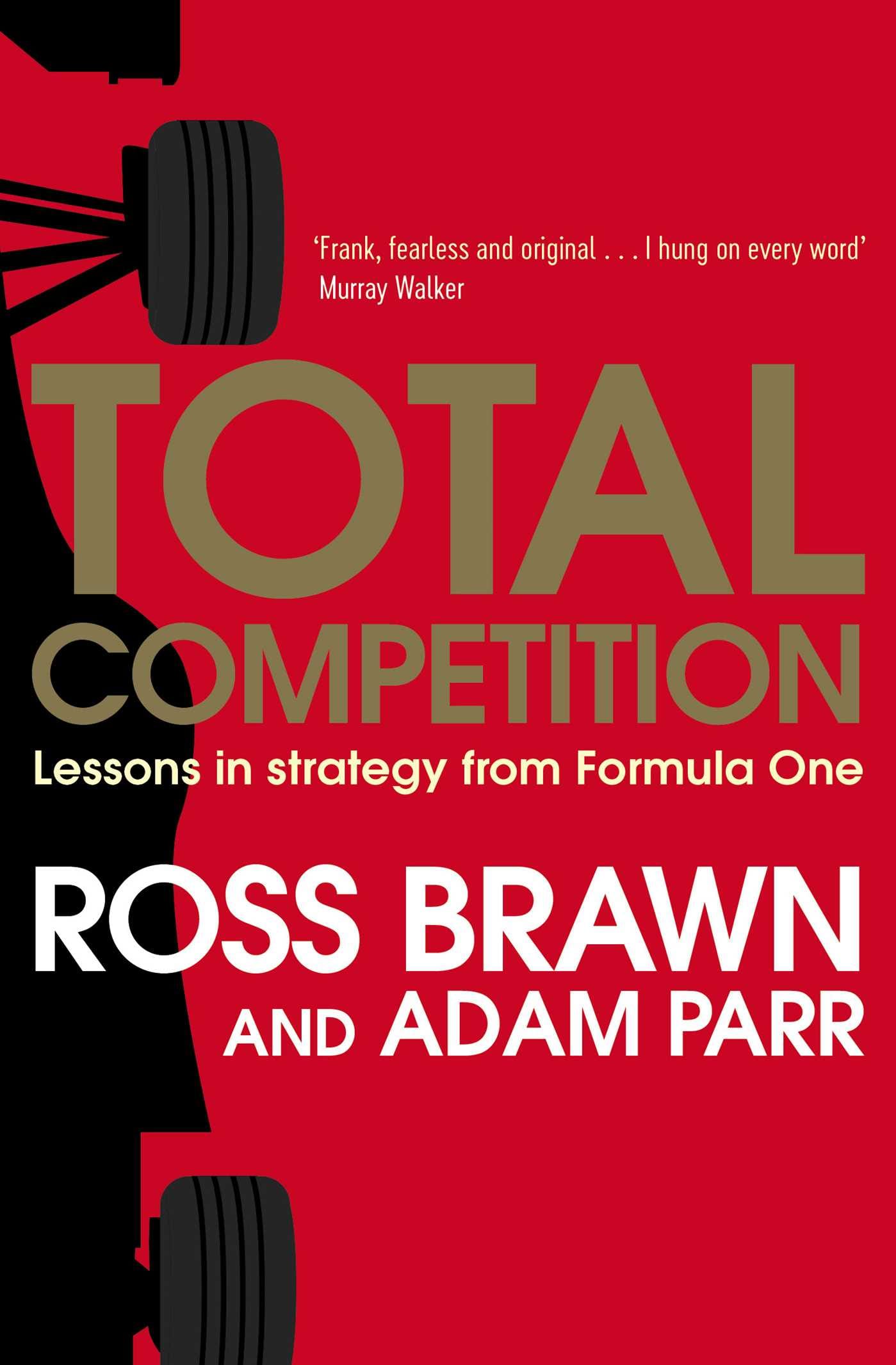
Total Competition: Lessons in Strategy from Formula 1
Billed as a biography in some places, this isn't one. Instead, it's essentially a long-form interview with Ross Brawn about his incredible career in Formula 1. Ross Brawn predates my time as an F1 fan, but reading this I gained an appreciation for the people who made Formula 1 into what I became a fan of in 2016. His lessons on leadership and success were excellent as well. In particular, I think a lot about his idea that his job as chief of an F1 operation was to "design a system that produces an F1-winning team." Not necessarily to win (his team should do that) but to be the catalyst for the winning team emerging, and then staying on top. That systemic way of thinking is something I think many more people should apply to the way they lead at work.
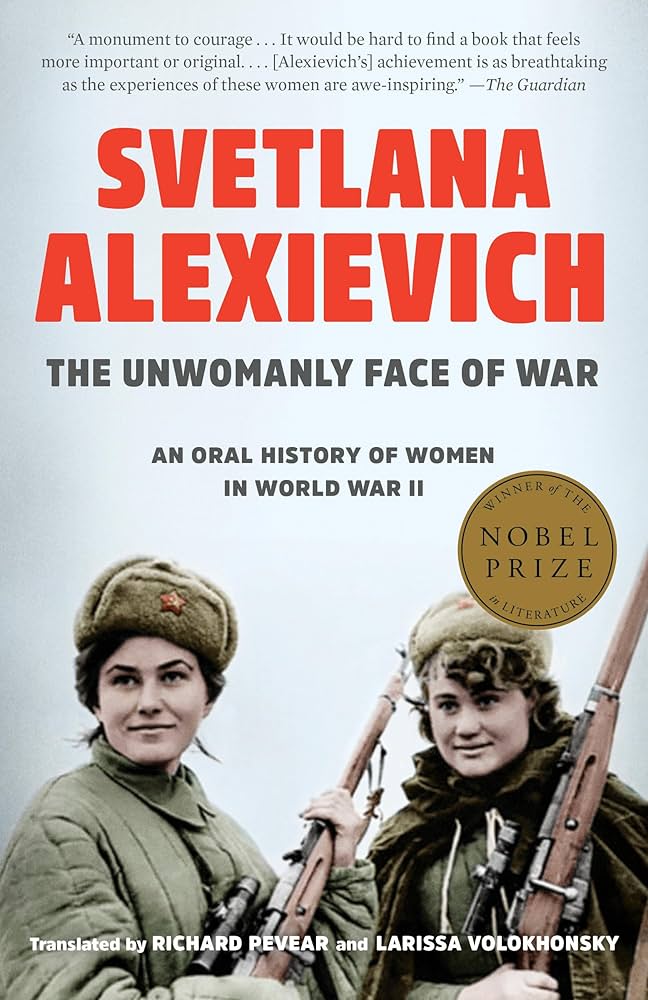
The Unwomanly Face of War
This book has a very simple premise: it is an oral history of women’s service in the Russian armed-forces during WWII. But the stories it contains are deeply powerful and moving. I couldn’t count the number of times I had to put this book down to handle the powerful waves of emotion which came from reading it. The stories of these incredible women are truly, truly unbelievable. Death and fear are ever-present, but bravery and joy too in equal measure. No two stories are the same, even when they share information or themes. Women joined the war for myriad reasons, some nationalistic, some personal. And everyone had a different relationship to their own story. Some wanted to forget, some felt that they could never recover what they had then. As a man who has consumed a thousand war stories by and for men, this was an incredible change of perspective. This book, of all the others in this list, deals with some of the heaviest subjects. Yet its stories are profound. And in a time when Russia continues to be vilified in the west for everything — deservedly in some cases, and not in others — this book is a reminder that were it not for the incredible sacrifice of Russian men and women, of communists and partisans, Nazi Germany might not have been defeated.
Responsible AI Disclosure: No AI of any kind was used in the writing or editing of this post.